Chinese Mythology Stories for HSK4+ Learners: Creation Myths in Simple Chinese
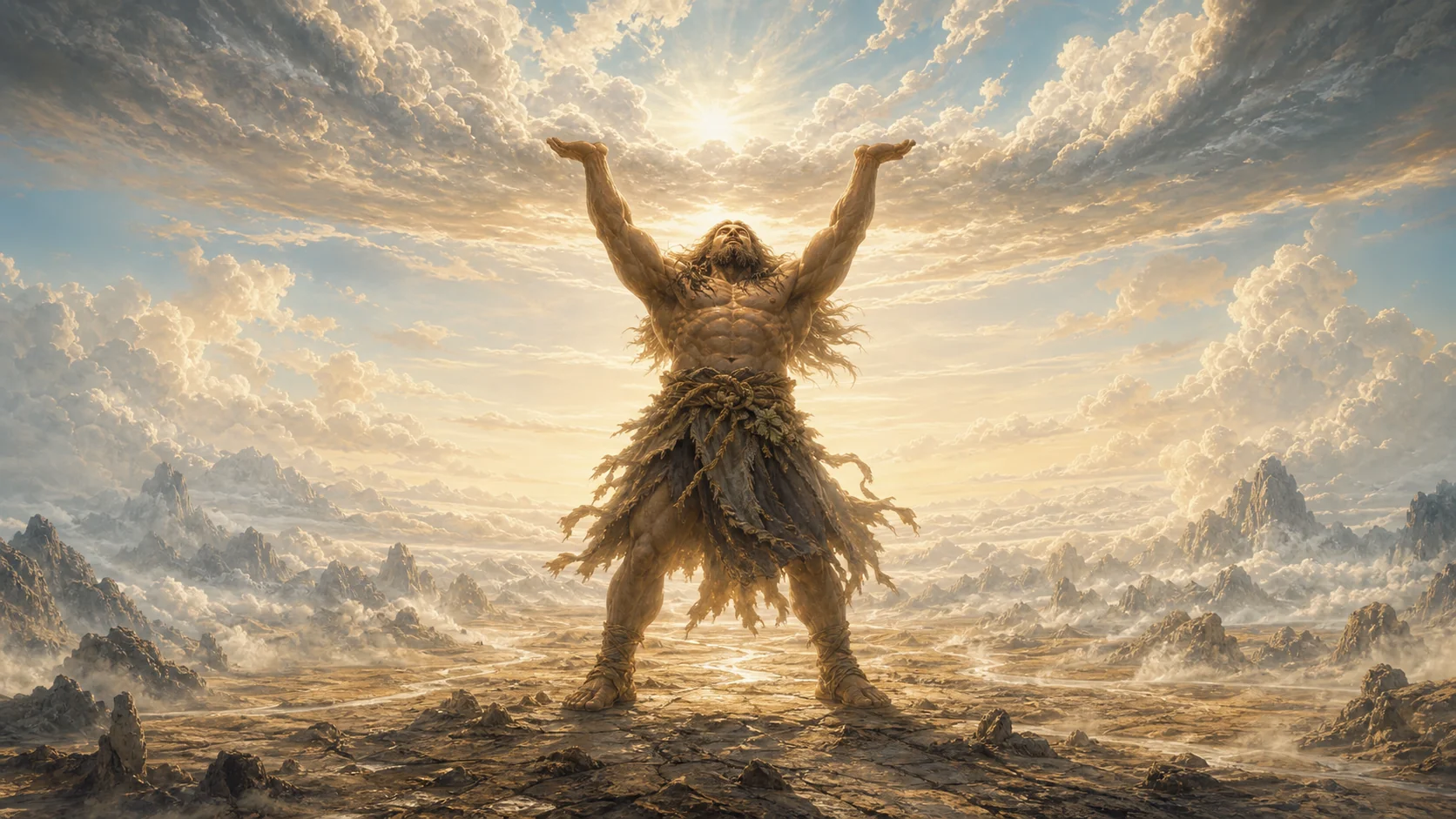
Chinese Mythology: Creation is an HSK4+ graded reader that retells classic Chinese creation myths in simple, clear Chinese. It is written for learners who want mythology, culture, pinyin, English translation, and audio support without Classical Chinese or heavy literary language. The complete Creation volume now includes Pangu, Nuwa, Fuxi, Cangjie, and Shennong.
Why Creation Myths Work Well at HSK4+
A myth often begins with a simple problem: the world is dark, people do not exist, the sky is broken, or humans do not yet understand how to live. Then a god or culture hero acts. This clear cause-and-effect structure helps learners follow the story even when a few cultural words are new.
- The stories are short enough to finish, but meaningful enough to reread.
- Important verbs repeat naturally: create, separate, repair, teach, discover.
- Names like Pangu, Nuwa, Fuxi, Cangjie, and Shennong are culturally important and easy to remember.
- The plot gives context for mythology words that may go beyond HSK4.
- Audio helps learners connect written myths with spoken Mandarin.
What Is Chinese Mythology: Creation?
The current book is a single HSK4+ version. That means learners do not need to choose between beginner, intermediate, and advanced editions. The whole series keeps one stable reading level, so you can build stamina across multiple stories.
Stories in the Creation Series
Pangu Separates Heaven and Earth
Nuwa Creates Humans
Nuwa Mends the Sky
Fuxi Draws the Eight Trigrams
Cangjie Creates Characters
Shennong Tastes Hundreds of Herbs
Why Not Read Native Mythology First?
A graded version keeps the core story while making the reading path smoother. You can understand the plot first, then slowly notice the cultural ideas behind it.
How to Read Chinese Mythology at HSK4+
- First pass: read the Chinese and follow the main plot.
- Second pass: listen to the audio while following the characters.
- Third pass: check pinyin only where pronunciation is unclear.
- Fourth pass: use translation to confirm difficult sentences.
- Final step: summarize the myth in three or four simple Chinese sentences.
What You Learn from Creation Myths
- World-building language: sky, earth, darkness, light, rivers, mountains, wind, and life.
- Action verbs: separate, create, repair, change, grow, teach, and protect.
- Cause and effect: something is missing, broken, or dangerous, so a character takes action.
- Chinese cultural names: Pangu, Nuwa, Fuxi, Cangjie, and Shennong become familiar through context.
Frequently Asked Questions
What Chinese creation myths can HSK 4+ learners read?
The HSKNovels Chinese Mythology series covers Pangu creating the world, Nuwa creating humans, Fuxi and Cangjie inventing writing, and Shennong tasting herbs — all rewritten in simple Chinese for HSK 4+ learners with pinyin, translation, and audio.
Why are creation myths good for HSK 4 reading practice?
Creation myths are short, self-contained, and culturally rich. They introduce foundational Chinese cultural knowledge — gods, origins, cosmology — using narrative language that is ideal for intermediate reading practice.
Why should I not read native mythology first?
Native Chinese mythology texts mix classical grammar, rare characters, and cultural allusions, making them frustratingly difficult before HSK 6+. A graded version keeps the story intact while controlling the language, so you understand the myth itself instead of fighting the text.
What will I learn from Chinese creation myths?
Beyond vocabulary, you learn the cultural stories Chinese people actually reference — why Pangu split the sky, why Nuwa patched the heavens. This cultural literacy makes your Chinese far more natural and is increasingly relevant as you reach advanced reading.