Chinese Coming-of-Age Stories for HSK4-5 Learners
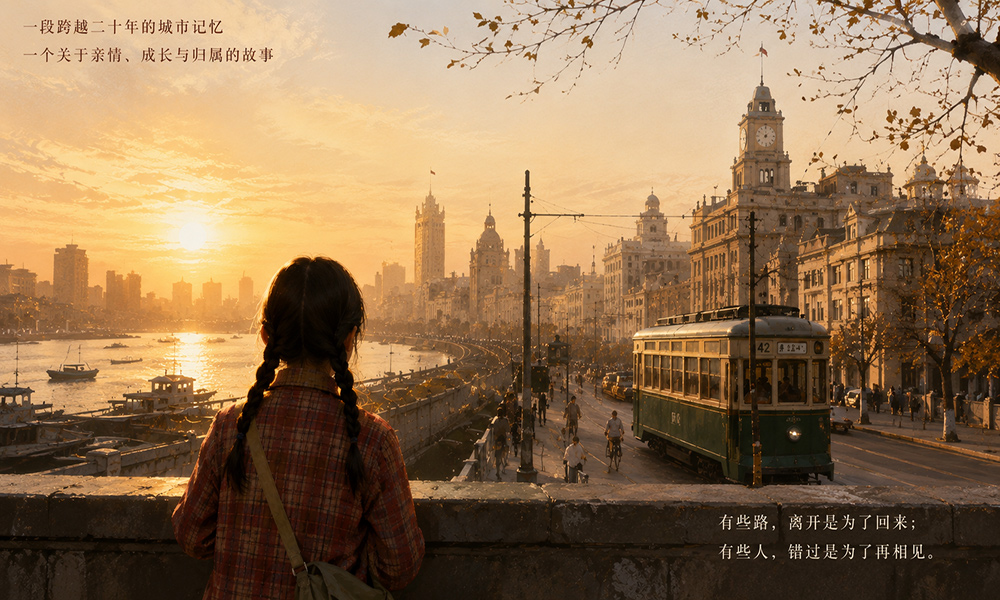
This guide recommends Chinese graded stories for HSK4 and HSK5 learners who want more than short textbook passages. The stories are different in setting and tone, but each one explores a stage of growing up through readable Chinese.
You can begin with a warm neighborhood story, follow an exchange student learning to live in Chinese, or choose a gentle family story about grief and memory. All include learner support such as pinyin, English translation, and audio.
Why Coming-of-Age Stories Work for Chinese Learners
These stories repeatedly use language for:
- family members, classmates, teachers, and close friends
- school routines, neighborhoods, homes, and daily decisions
- feelings such as loneliness, embarrassment, trust, and belonging
- remembering the past and adjusting to change
- natural dialogue between people who know each other well
Three Chinese Coming-of-Age Stories to Read
1. Qing Mei Zhu Ma: Childhood, Family, and Belonging
It is the best choice here for readers who enjoy quiet emotional stories. HSK4 learners can focus on the main events and repeated relationship vocabulary, while HSK5 learners can pay closer attention to memory, tone, and emotional distance.
The title itself is culturally useful. The phrase 青梅竹马 describes people who grew up together and share a close childhood bond.
2. I Start Living in Chinese: School Life and Independence
This is the most practical recommendation for HSK4 learners. Its coming-of-age theme is about becoming independent in a new country and learning to use Chinese as the language of daily life.
3. Elm Spirit's Tears: Family, Loss, and Memory
Choose this story when you want emotional reading with a touch of Chinese fantasy. Its clear central image helps intermediate learners follow the story even when the language becomes more reflective.
Which Story Should You Choose?
- Best practical HSK4 choice: I Start Living in Chinese
- Best HSK4-5 relationship story: Qing Mei Zhu Ma
- Best reflective family story: Elm Spirit's Tears
How These Stories Fit HSK4 and HSK5
- At HSK4, follow the plot and notice repeated daily-life words.
- At HSK5, pay attention to tone, motives, memory, and relationships.
- Use pinyin for unfamiliar words instead of reading it continuously.
- Listen after reading to connect characters with natural rhythm.
- Check the translation only when context does not solve the sentence.
How to Read a Longer Chinese Story
- First pass: identify who is present, where they are, and what changes.
- Second pass: check only the words that block the main event.
- Listen while following the Chinese text.
- Read a short section aloud to practice sentence rhythm.
- Summarize the chapter in one or two simple Chinese sentences.
Frequently Asked Questions
What is Qing Mei Zhu Ma (青梅竹马)?
Qing Mei Zhu Ma is a Chinese coming-of-age graded novel for HSK 4-5 learners. It follows childhood friends growing up in 1990s Shanghai — school life, friendship, family, memory, and growing up — with pinyin, translation, and audio support.
Why are coming-of-age stories good for Chinese learners?
Coming-of-age stories use everyday vocabulary about school, family, friendship, and emotions — exactly the language HSK 4-5 learners need. The relatable themes keep you motivated to continue, and the character-driven plot builds reading stamina naturally.
Which coming-of-age story should I choose at HSK 4-5?
If you enjoy nostalgic, emotional stories, start with Qing Mei Zhu Ma. If you prefer daily-life comedy, the Living in Chinese series is a lighter option. Both are written for HSK 4-5 and include the same support features.
How do I read a longer Chinese story without giving up?
Break it into chapters and read one per day. Use the support features (pinyin, translation, audio) only when needed, and do not stop to look up every word. Remember the plot, not the vocabulary list — finishing the story is the real win.